Subscribe to out newsletter today to receive latest news administrate cost effective for tactical data.

Let’s Stay In Touch

Shopping cart

Subtotal $0.00

View cartCheckout

Neuro

Vision is more than just what the eyes see

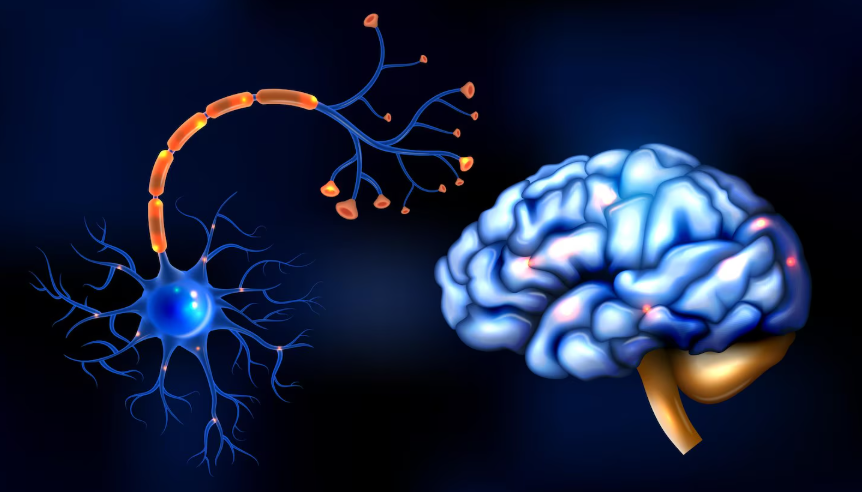
It is the brain’s ability to interpret signals carried by the optic nerve from the retina. Any disruption in this pathway can lead to blurred or double vision, image distortion, drooping eyelids, or even vision loss. Neuro-ophthalmology is the specialty that deals with these complex conditions, combining expertise in both neurology and eye care.

At Savalia Eye Hospital & Laser Centre, we provide advanced diagnosis and treatment for these disorders, making us a trusted neuro ophthalmology hospital in Rajkot where patients receive comprehensive care for both vision and neurological health.

What is Neuro-Ophthalmology?

Neuro-ophthalmology focuses on conditions where the nervous system and vision overlap. The optic nerve, which transmits visual signals from the eye to the brain, can be affected by strokes, trauma, tumors, autoimmune disorders, or nutritional deficiencies. Poor lifestyle habits—such as lack of sleep, prolonged screen time, or smoking—can worsen these problems.

Patients may be referred to a neuro-ophthalmologist if they experience sudden vision loss, double vision, headaches, drooping eyelids, or abnormal eye movements. Accurate diagnosis and tailored treatment help protect vision and improve quality of life.

Common Conditions

  • Optic Neuropathy – Damage to the optic nerve, causing reduced vision, colour changes, or blind spots.
  • Papilledema – Swelling of the optic nerve due to high brain pressure; linked with headaches, nausea, or flickering vision.
  • Optic Atrophy – Permanent damage of the optic nerve, leading to faded colours and poor clarity.
  • Nystagmus – Involuntary eye movements causing blurred or shaky vision.
  • Benign Intracranial Hypertension – Raised brain pressure without a tumour, often seen in women, with headaches and blurred vision.
  • Optic Neuritis – Inflammation of the optic nerve, often linked to autoimmune disease, leading to sudden vision changes.

Other Neuro-Ophthalmic Conditions

  • Hemianopia & Visual Field Defects – Vision loss on one side or blind spots, often from stroke or trauma.
  • Microvascular Cranial Nerve Palsy – Eye misalignment and double vision due to poor blood supply, often in diabetes or hypertension.
  • Myasthenia Gravis – Muscle weakness affecting eyelids and eye movements.
  • Nutritional Optic Neuropathy – Nerve damage from poor diet, alcohol, or tobacco.
  • Diabetic Neuropathy – Diabetes-related nerve or vessel damage causing sudden or progressive vision loss.
  • Thyroid Eye Disease – Autoimmune swelling and bulging of the eyes.
  • Brain Stroke or Tumours – Can disrupt visual pathways, leading to partial or complete sight loss.

Diagnosis and Evaluation

Neuro-ophthalmology requires both eye and brain assessments. Tests may include:

  • Comprehensive Eye Exam – To assess nerve health and visual clarity.
  • Visual Field Testing – To detect blind spots or side vision loss.
  • Colour & Contrast Sensitivity – Identifies subtle nerve damage.
  • Ocular Motility & Hess Charting – Evaluates eye muscle function and misalignments.
  • Visual Evoked Potential (VEP) – Measures brain response to visual signals.
  • Electroretinography (ERG) & Electrooculography (EOG) – Record retina and eye activity.
  • MRI, CT, X-rays, and Blood Tests – Rule out underlying brain or systemic causes.

At Savalia Eye Hospital & Laser Centre, patients benefit from advanced diagnostic tools and expert care, making us recognized as the best neuro ophthalmology hospital in Rajkot for accurate evaluation and comprehensive treatment.

Treatment Options

  • Lifestyle changes – Better diet, less screen use, regular sleep, and stress control.
  • Glasses or Contact Lenses – To correct refractive or alignment issues.
  • Eye Exercises/Therapies – Improve coordination and strengthen eye muscles.
  • Medications – Steroids, anti-inflammatories, or immunosuppressants, given orally, as drops, or intravenously.
  • Surgery – For structural issues, nerve compression, or associated disorders.

The goal is always to protect remaining vision, improve comfort, and support daily activities.

When to See a Neuro-Ophthalmologist

  • Sudden or unexplained vision loss
  • Double or blurred vision
  • Persistent headaches or dizziness
  • Misaligned or restricted eye movements
  • Drooping eyelids or abnormal pupil responses
  • Shrinking side vision or blind spots
  • Eye pain, twitching, or spasms
  • Difficulty distinguishing colours
  • Sensitivity to light

Why Choose Savalia Eye Hospital & Laser Centre?

  • Specialist care from experienced neuro-ophthalmologists
  • Comprehensive services under one roof, from basic exams to advanced diagnostics and surgery
  • Modern diagnostic technology including VEP, ERG, Hess charting, and advanced imaging
  • Personalised treatment plans tailored to each patient’s condition and lifestyle
  • Holistic care that addresses both eye and neurological health

Neuro-ophthalmic conditions can be complex, but with timely diagnosis and expert care, many vision problems can be managed effectively. At Savalia Eye Hospital & Laser Centre, our team is committed to protecting your sight and supporting your overall well-being, so you can continue to see the world with clarity and confidence. With the guidance of an experienced neuro-ophthalmologist in Rajkot, patients receive comprehensive care that addresses both vision and neurological health.