Subtotal $0.00

Subscribe to out newsletter today to receive latest news administrate cost effective for tactical data.
Let’s Stay In Touch




Subscribe to out newsletter today to receive latest news administrate cost effective for tactical data.
2478 Street City Ohio 90255
Subscribe for newsletter
Monday - Saturday:9:00 AM to 9:00 PM
Sunday: By Appointment Only (9:00 AM to 12:00 PM)
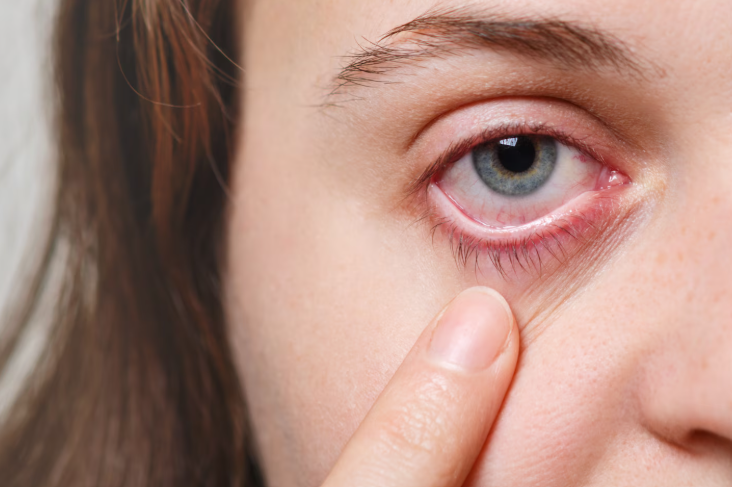
Uveitis is an eye disease that results in inflammation of the uvea, a blood-vessel filled middle layer of the eye. It is located behind the outer coat (sclera) and in front of the internal retina. This part of the eye plays a key role in converting light into images.
When inflamed, the uvea can cause pain, blurred vision, and even blindness if left untreated. Uveitis may involve one or both eyes and can affect anyone—from children to the elderly. The condition varies: in some cases, it may resolve quickly, while in others, chronic uveitis relapses frequently and requires ongoing care.
At Savalia Eye Hospital & Laser Centre, our specialists provide advanced diagnosis and care, offering the best uveitis treatment in Rajkot to help patients protect their vision and maintain long-term eye health.
The exact causes of uveitis aren’t always clear, but several factors can trigger inflammation in the uvea.
Often, uveitis is related to autoimmune disorders. This is when the body’s immune system mistakenly attacks healthy eye tissue. Conditions like rheumatoid arthritis, Crohn’s disease, and psoriasis are examples of autoimmune diseases that can lead to uveitis.
Other potential uveitis causes include eye injuries, recent eye surgeries, or infections such as herpes, tuberculosis, syphilis, or HIV, which can also trigger uveitis.
In rare cases, uveitis may be linked to certain types of cancer, such as lymphoma. Recognising these causes is important in uveitis treatment, as it guides the best approach for managing inflammation and preserving vision.
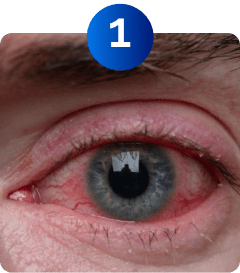
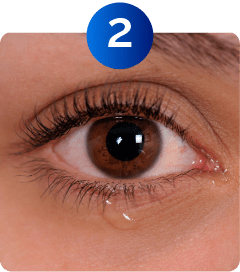



Uveitis may cause a variety of unpleasant symptoms, and can come on suddenly and can involve one or both eyes. Typical symptoms include eye pain, redness and light sensitivity (or photophobia), which can make it difficult to tolerate bright light. Most individuals have blurry or cloudy vision and see “floaters” (small dark spots or lines) floating in their visual field.
Sometimes, those with uveitis experience diminished vision such that fine details cannot be seen. Headache may be present as well, particularly in severe cases, associated with increased pressure inside the eye.
Recognizing these symptoms in the early stages, and a prompt uveitis treatment, can avoid complications and save sight.
Early care for uveitis is key to safeguarding eyesight and easing day-to-day discomfort. By controlling inflammation, it reduces pain, redness, and blurred vision. Regular care also lowers the risk of serious long-term problems like glaucoma, cataracts, or retinal detachment, which may cause permanent sight loss. With the right treatment, patients can return to everyday activities, reading, driving, or simply enjoying life, with greater confidence.
At Savalia Eye Hospital & Laser Centre, you’ll find the best doctors for uveitis treatment in Rajkot, combining advanced medical expertise with compassionate care to protect your vision and support your long-term eye health.
Doctors diagnose uveitis through a mix of eye exams and medical history review, often supported by lab tests or imaging. Common eye tests include:
These assessments, along with supportive tests, help determine the type of uveitis and guide the most effective treatment plan.
Treatment for uveitis depends on the type and severity, but the aim is always the same: to control inflammation, ease discomfort, and protect vision.
At Savalia, we provide advanced care tailored to each patient’s condition, making us a trusted uveitis treatment hospital in Rajkot for comprehensive management and long-term vision protection.
Every treatment plan is tailored to the patient, with the focus on controlling flare-ups and protecting sight in the long run.
Most treatments for uveitis are safe and effective, though some patients may experience mild side effects such as temporary blurring of vision or slight discomfort after certain procedures.
In uncommon situations, treatment can increase eye pressure or contribute to cataract formation. Regular follow-ups with an eye specialist help detect and manage these issues early, ensuring recovery remains smooth and vision stays clear and comfortable.