Subtotal $0.00

Subscribe to out newsletter today to receive latest news administrate cost effective for tactical data.
Let’s Stay In Touch


Subscribe to out newsletter today to receive latest news administrate cost effective for tactical data.
2478 Street City Ohio 90255
Subscribe for newsletter
Monday - Saturday:9:00 AM to 9:00 PM
Sunday: By Appointment Only (9:00 AM to 12:00 PM)
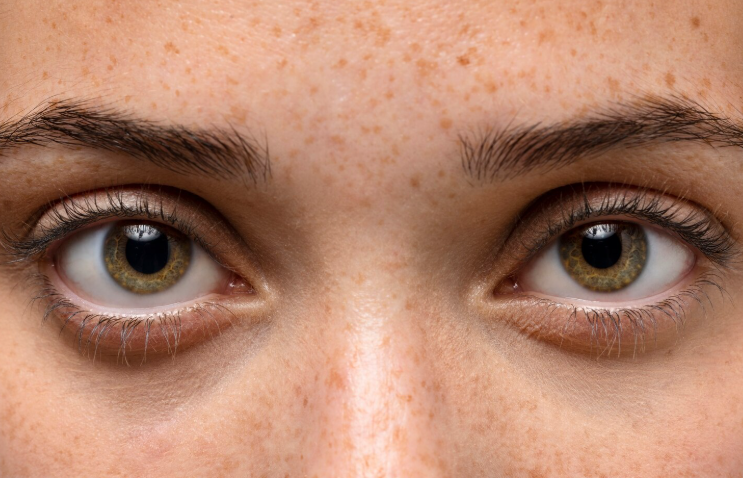
Living with squint eyes can sometimes make a person feel self-conscious, as the eyes may not move or align in the same direction. This can lead to discomfort in social and daily life. The good news is that with proper medical care and treatment, the condition can be managed effectively, helping restore clear focus, better alignment, and renewed confidence.
At Savalia Eye Hospital & Laser Centre, we offer advanced squint eye treatment in Rajkot, combining modern techniques with compassionate care to help patients achieve both functional vision improvement and enhanced confidence.
Strabismus, commonly known as squint, occurs when the eyes fail to point in the same direction simultaneously. While one eye looks straight ahead, the other may drift inward, outward, upward, or downward. This misalignment not only affects how a person sees but can also influence appearance. A squint may be present from birth, develop in childhood, or appear later in life due to medical or neurological conditions.
Living with squint eyes can be difficult, some people may experience blurred or double vision, while others may struggle with self-confidence in social situations. Normally, the brain uses both eyes together to create a single, clear picture. But when a squint is present, the brain may have trouble merging the two images, sometimes ignoring one eye completely. In children, this can lead to a condition known as amblyopia or “lazy eye.”
Recognising how squint affects vision and daily life is the first step toward treatment. With timely guidance from an eye specialist, there are effective ways to correct and manage the condition, helping restore proper alignment, clearer vision, and renewed confidence.
Understanding these variations is important for tailoring treatment approaches that correct alignment and improve overall visual function. At Savalia Eye Hospital & Laser Centre, our specialists provide advanced squint eye surgery in Rajkot, using safe and effective techniques to restore proper alignment and help patients see and live with greater confidence.
A squint can develop for many reasons, ranging from genetic factors to problems with the eye muscles or nerves. While having a family history of squint may increase the chances, it does not always determine whether someone will develop the condition.
Often, the cause lies in the muscles that control eye movement. These muscles need to work together to keep both eyes focused on the same point. When the eye muscles aren’t balanced, one eye can shift out of alignment and begin to drift. For example, when one muscle pulls harder than the other, misalignment occurs, leading to a squint.
In some cases, the issue comes from disrupted nerve signals between the brain and the eyes. Neurological conditions like cerebral palsy, genetic disorders such as Down syndrome, thyroid eye disease, or even injury can disrupt these signals and lead to poor eye coordination.
Problems with the cornea may also play a role in disturbing alignment and vision. Identifying the underlying cause of a squint is key to effective treatment. Each cause responds differently to specific approaches, helping improve eye alignment and restore clearer vision.
Diagnosing squint is a painless and straightforward process carried out by an eye specialist. The doctor checks how each eye moves and whether both can focus together on the same object. Simple tests, such as the cover test or corneal light reflex, are often used.
For children, playful methods are used, asking them to look at toys or colourful shapes so eye movements can be observed without discomfort. Proper evaluation allows doctors at Savalia Eye Hospital to suggest the best treatment plan for clearer vision and improved alignment.
Treatment for squint varies based on its type and severity. In mild cases, especially in children and adults, non-surgical options can help. These may include eye exercises, prism lenses, or specially designed glasses that support proper alignment. For children with amblyopia, patching the stronger eye helps the weaker eye develop better vision.
When non-surgical methods are not sufficient, surgery may be advised. Squint surgery involves adjusting the eye muscles to restore proper alignment so both eyes can work together. The procedure is usually simple, with quick recovery, though follow-up treatments may sometimes be needed.
Choosing the right care under expert guidance ensures the best outcome for each person. Beyond clearer vision, effective treatment can also bring renewed confidence, comfort, and ease in everyday life.
Living with squint eyes can sometimes feel challenging, but knowing the causes, symptoms, and available treatments makes the journey easier. With timely diagnosis and personalised care, people can see real improvements in both vision and confidence. Gentle, non-surgical approaches are often effective, particularly for children, while surgical options may be recommended in more advanced cases. Guidance from an experienced eye care specialist is key for long-term results.
At Savalia Eye Hospital & Laser Centre, we are trusted for providing the best eye treatment for squint in Rajkot, combining expert diagnosis, advanced techniques, and compassionate care to help patients achieve lasting results.