Glaucoma Care at Savalia Eye Hospital Laser Centre
Hearing the word “glaucoma” can be unsettling, and many people worry about the risk of losing their sight. At Savalia Eye Hospital & Laser Center, we combine medical expertise with a compassionate approach to provide advanced glaucoma treatment in Rajkot. Our mission is to safeguard your vision while helping you enjoy the best quality of life.
What is Glaucoma?
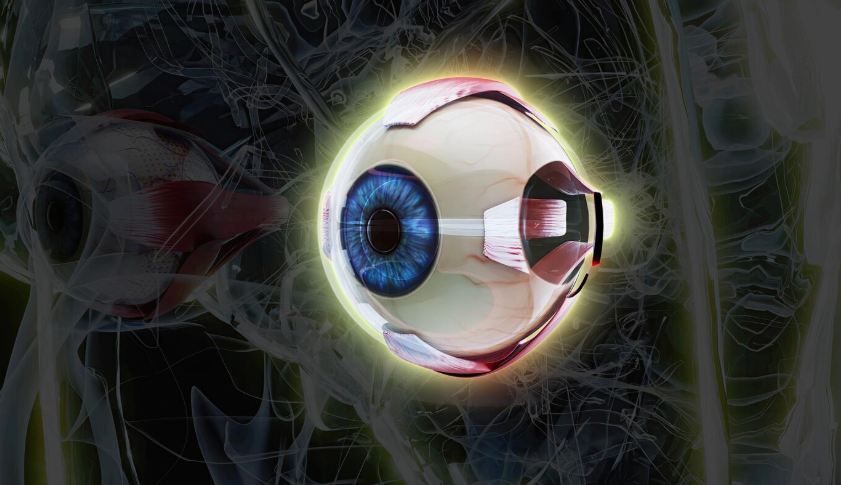
Glaucoma is an eye condition where the optic nerve, the pathway that carries signals from the eye to the brain, becomes damaged, usually due to a rise in pressure inside the eye. Over time, this damage can lead to gradual loss of vision.
Often referred to as the “Silent Thief of Sight”, glaucoma may not show clear symptoms in its early stages. In open-angle glaucoma, vision loss progresses slowly and painlessly, so it may go unnoticed until serious damage is done. In acute angle-closure glaucoma, the signs can come on quickly, such as eye pain, headache, or blurry vision. Delaying treatment can permanently harm your vision.
At Savalia, our specialists provide advanced care and are trusted for delivering the best glaucoma surgery in Rajkot, helping patients protect their sight with timely intervention and modern surgical techniques.
Causes of Glaucoma
The main factor behind glaucoma is higher than normal eye pressure, also known as intraocular pressure (IOP). Normally, the pressure inside the eye (known as IOP) stays within a healthy range of about 10 to 20 mmHg. When it goes beyond this level, it can gradually damage the optic nerve.
Glaucoma may occur even if eye pressure is within the normal range. This type is called normal-tension glaucoma.
Without timely treatment, the ongoing pressure continues to damage the optic nerve, resulting in slow and progressive vision loss.
Factors That Can Increase the Risk of Glaucoma
- Age: As we grow older, our eyes also go through natural changes. The lens may thicken, or the eye’s drainage system may not work as well as before. These changes can slowly raise the risk of glaucoma.
- Family History: If glaucoma runs in your family, your chances of developing it are higher. This is why regular eye check-ups are especially important if someone in your family has had the condition.
- Other Health Conditions: Problems like diabetes, high blood pressure, or existing eye diseases can increase the pressure inside the eye, which over time may damage the optic nerve and affect vision.
- Medications: Long-term use of certain medicines — for example, steroid-based drugs — can also raise the likelihood of glaucoma.
Signs of Glaucoma
- Frequent or nagging headaches
- Vision getting hazy or unclear
- Family members already having glaucoma
- Eyes feeling heavy or strained
- Sudden painful drop in eyesight
Symptoms of Glaucoma
Not everyone with glaucoma experiences the same issues. Some people notice things early, others don’t until it’s advanced. Still, here are a few warning signs:
- Eye pain or irritation: This might show up as dryness, redness, or just a feeling that something’s not right.
- Frequent headaches: Often around the eyes or temples. If headaches keep coming back, it’s worth getting your eye pressure checked.
- Seeing rings or glowing circles around lights—especially when driving at night—can be a sign of glaucoma.
- Nausea or vomiting: When eye pressure shoots up suddenly (like in acute angle-closure glaucoma), it can even make you feel sick.
Types of Glaucoma
- Open-angle glaucoma: The most common type. The drainage system in the eye is partly open, but fluid doesn’t flow as it should, raising pressure. It starts slow—patchy blind spots in side vision—and worsens over time.
- Angle-closure glaucoma: Happens when the space between the iris and cornea becomes blocked. Pressure rises very suddenly, often with pain, blurred vision, and sometimes nausea. Needs urgent care.
- Normal-tension glaucoma: Even if your eye pressure is normal, the optic nerve can still get damaged.
- Congenital glaucoma: Rare but serious. Present at birth or develops in early childhood when the drainage system hasn’t formed properly.
- Secondary Glaucoma: In case of eye inflammation or injury.
Why Treatment Matters
Glaucoma doesn’t just affect eyesight—it affects daily life.
Slows the disease down so vision loss doesn’t progress quickly.
Reduces the risk of blindness if managed on time.
Helps you stay independent, since good vision is key for everyday tasks.
Lasting results, especially with surgeries or laser treatment that keep eye pressure under control.
How Glaucoma is Diagnosed
- Dilated eye exam: To see the optic nerve and retina more clearly.
- Tonometry: Measures eye pressure.
- Gonioscopy: Checks the angle between iris and cornea.
- Visual field test: Looks for gaps or blind spots in side vision.
- Corneal thickness test (Pachymetry): Measures how thick or thin the cornea is.
- OCT (Optical coherence tomography): Helps in early diagnosis.
Non-Surgical Treatments
- Anti-Glaucoma Eye Drops: These drops help bring down eye pressure and are often used daily. They also slow down the worsening of glaucoma in many patients.
- Laser Trabeculoplasty: This laser procedure helps open the blocked drainage channels in the eye, making it easier for fluid to flow out and lowering pressure.
- Micropulse Transscleral Cyclophotocoagulation (MP-TSCPC): A laser-based treatment used mainly in advanced glaucoma cases. It lowers eye pressure when other options are not effective.
Surgical Treatments
- Trabeculectomy: In this surgery, the doctor creates a small channel in the eye to help fluid drain out, reducing high pressure.
- Glaucoma Drainage Devices: Tiny devices are placed inside the eye to redirect fluid and control pressure. Once placed, they gradually drain fluid and help normalize eye pressure. Recovery usually takes 4–6 weeks.
- iStent Inject: A very small stent is inserted into the eye to improve fluid flow and lower pressure. It’s a minimally invasive procedure, and healing time is generally quick.
- MIGS (Minimally Invasive Glaucoma Surgery): In this surgery, the surgeon cuts selective parts of the trabecular meshwork (T.M.) and it is indicated mainly in POAG (Primary Open-Angle Glaucoma) and ocular hypertensive patients.
Risks and Complications of Glaucoma
When glaucoma is not treated in time, it can lead to serious problems. Vision may decline faster, there may be bleeding inside the eye, the retina can detach, and in some cases, the eye may become painful. That’s why it’s important to see a doctor as soon as symptoms appear. With the right treatment plan, the condition can be managed while still protecting your quality of life.
Can Glaucoma Be Prevented?
- Regular eye check-ups: Visit your eye doctor at least once a year. Routine checks can help catch glaucoma early and also spot other age-related eye issues.
- Protect your eyes: Sunlight, dust, and pollution can harm your eyes. Wearing sunglasses outdoors and protective eyewear when using machinery or tools can make a big difference.
- Healthy lifestyle: Eating well, staying active, and cutting down on screen time all support better eye health. But remember — regular eye exams remain the best way to detect glaucoma early.
Why Choose Savalia Eye Hospital Laser Centre?
Glaucoma needs careful, ongoing management, and the right care team makes all the difference. At Savalia Eye Hospital & Laser Center, you’ll find experienced doctors and specialists who focus on treating symptoms early and helping patients manage the condition long term. Our patient-first approach ensures that every treatment plan is tailored to your needs, so you feel supported at every stage.
With advanced technology and compassionate care, we are recognized as the best hospital for glaucoma surgery in Rajkot, trusted by patients for safe procedures and long-term vision protection.