Subtotal $0.00

Subscribe to out newsletter today to receive latest news administrate cost effective for tactical data.
Let’s Stay In Touch



Subscribe to out newsletter today to receive latest news administrate cost effective for tactical data.
2478 Street City Ohio 90255
Subscribe for newsletter
Monday - Saturday:9:00 AM to 9:00 PM
Sunday: By Appointment Only (9:00 AM to 12:00 PM)
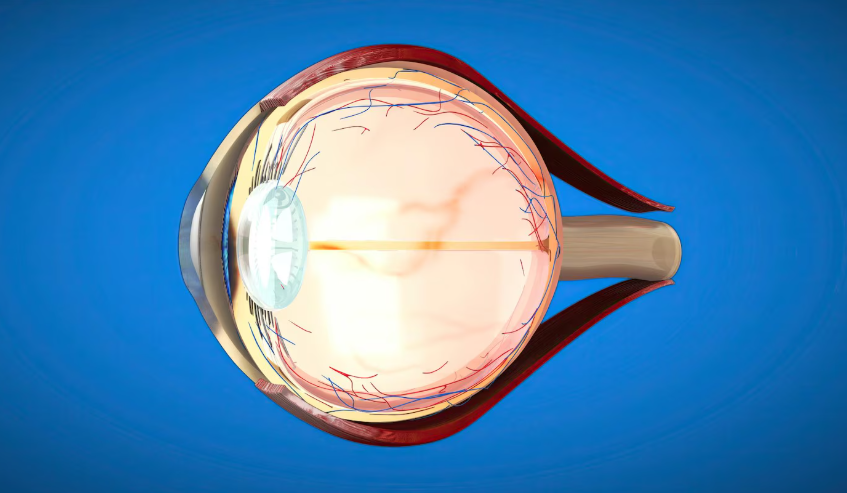
The cornea is the clear, curved layer at the very front of your eye. Think of it as a window that lets light in and helps focus it so you can see things clearly. It also acts like a shield, protecting your eyes from dust, germs, and other irritants.
At Savalia Eye Hospital & Laser Center, we offer advanced cornea eye treatment in Rajkot, combining modern diagnostic tools and expert care to restore clear vision and protect long-term eye health.
The cornea has five layers, each with its own job:
Epithelium: the surface layer that keeps out dirt and absorbs oxygen and nutrients.
Bowman’s layer: gives extra strength.
Stroma: the thick middle layer that provides structure and most of the cornea’s clarity.
Descemet’s membrane: a thin but tough layer that fights off infections.
Endothelium: works like a pump, keeping the cornea from swelling by moving out extra fluid.
All these layers work together to give you crisp vision. When the cornea is healthy, everything looks bright and sharp. But if it gets scarred, cloudy, or swollen, your sight can turn hazy, almost like trying to look through foggy glass.
In India, many corneal conditions are linked to infections, injuries, or even genetic factors. Some common triggers include:
Pollution and dust: Constant exposure can irritate the eyes and cause repeated infections.
Dry eyes: Spending long hours on screens without breaks can worsen dryness and strain, leading to corneal issues.
Injuries: Even something as small as scratching your eye with a finger or minor accident can damage the cornea.
Serious diseases or burns: Conditions like herpes infections, chemical burns, or severe eye infections can leave scars on the cornea.
Vitamin A deficiency: Lack of this vital nutrient weakens the cornea and, if left untreated, may result in serious conditions like xerophthalmia that threaten vision.
When the cornea is affected, you may notice:
Discomfort or pain in the eye – ranging from mild irritation to sharp pain.
Coloured halos or rings around lights – especially noticeable at night.
Redness and watery eyes – often a sign of irritation or infection.
A gritty feeling, like something is stuck in the eye – even when nothing is there.
Corneal Ulcers: Open wounds on the cornea, often caused by infections. People who use contact lenses without proper care are at higher risk.
Fuchs’ Dystrophy: A genetic condition where fluid builds up inside the cornea due to weakening of its inner layer, causing swelling and vision problems.
Dry Eye: When your eyes don’t produce enough tears or the tears dry too quickly, it can cause irritation and blurred vision.
Keratitis: Inflammation of the cornea, usually triggered by infections, allergies, or injuries.
Keratoconus: A condition where the cornea becomes thinner over time, bulging outward into a cone shape that distorts vision.
The cornea can be affected by many problems. Some, like keratitis, cause painful inflammation due to infections. Others, such as keratoconus, thin out the cornea over time. Conditions like corneal ulcers can be extremely painful and demand urgent medical attention. Inherited conditions, such as Fuchs’ dystrophy, often require surgical treatment.
Corneal issues may arise from:
• Infections (bacterial, viral, or fungal), which can lead to ulcers.
• Degenerative conditions like keratoconus and Fuchs’ dystrophy that worsen slowly.
• Trauma or chemical burns, which can cause serious complications.
• Genetic disorders, such as congenital dystrophies.
• Lifestyle factors, such as prolonged screen time or severe allergies.
Since severity varies, early diagnosis and timely treatment are key to preventing long-term vision loss and maintaining eye health.
Getting the right corneal treatment can be life-changing. When vision is restored, people regain independence to do everyday activities like reading, driving, and enjoying hobbies without strain.
Many patients describe the experience as a new beginning—where the world feels clear, bright, and full of detail again. Treatment not only improves vision but also eases pain, prevents further damage, and reduces the risk of future complications.
To understand the condition of your cornea, doctors use several advanced tools:
Corneal topography & OCT (Optical Coherence Tomography): These create a detailed map of the cornea to spot irregularities.
Slit-lamp examination: A bright, focused light lets the doctor inspect the cornea closely.
Pachymetry: Measures corneal thickness, important for assessing glaucoma risk or transplant need.
These tests are quick, painless, and highly accurate, helping doctors design the right treatment plan.
At Savalia Eye Hospital & Laser Center, you’ll find an experienced cornea specialist in Rajkot who uses advanced tools to ensure precise evaluation and effective treatment.
Non-Surgical Approaches: Not every corneal problem needs surgery—many can be managed with simpler treatments.
Eye Drops: Relieve dryness and discomfort.
Contact Lenses: Special lenses can improve vision or protect the cornea.
Antibiotics or Antiviral Medicines: Treat infections effectively.
Steroid Drops: Reduce inflammation and irritation.
For mild infections, simple measures like drops or ointments are enough. In complex cases, advanced procedures such as corneal cross-linking or lamellar keratoplasty may be recommended.
When medicines or non-surgical care aren’t enough, surgery may be needed:
Corneal Cross-Linking: Uses UV light and Vitamin B2 to strengthen the cornea.
Phototherapeutic Keratectomy (PTK): A laser procedure that removes unhealthy surface layers.
Intra-Corneal Ring Segments: Tiny implants to support and stabilize the cornea.
Corneal Transplant: Replaces damaged tissue with healthy donor cornea.
Laser Refractive Correction: Corrects refractive errors by reshaping the cornea.
A cornea transplant can greatly improve vision, but like any surgery, it has some risks such as swelling, infection, or rare rejection. Temporary blurred vision is common early on. Regular follow-ups and proper care help ensure the best results.
At Savalia Eye Hospital & Laser Center, regarded as the best cornea eye hospital in Rajkot, our specialists provide advanced care and close monitoring to detect complications early.
Looking after your cornea doesn’t have to be complicated. Simple daily habits help protect your eyes:
• Shield from UV rays: Wear sunglasses when outdoors.
• Reduce strain: Limit screen time to avoid dryness.
• Eat for eye health: Include Vitamin A-rich foods like leafy vegetables and carrots.
• Maintain hygiene: Especially with contact lenses.
• Protect during activities: Use safety goggles during sports or dusty environments.
Small, consistent efforts can make a huge difference in keeping your cornea healthy and vision clear.