What is Cataract?
A cataract forms when the eye’s natural lens becomes cloudy, causing blurred vision and increased light sensitivity. The lens normally focuses light clearly onto the retina, but with cataract, proteins in the lens clump together, blocking light passage. Cataract surgery replaces this cloudy lens with a clear artificial lens (IOL), restoring vision.
At Savalia Eye Hospital & Laser Center, recognized as the best cataract hospital in Rajkot, we provide advanced cataract treatment with experienced eye specialists and modern laser technology. Not all cataracts need immediate surgery, the decision depends on how much vision is affected, overall health, and conditions like diabetes.
Causes of Cataract
Several factors can lead to cataract development:
- Age: Risk rises after 40 due to natural lens changes.
- Diabetes: Poor sugar control accelerates lens damage.
- Medications: Long-term use of steroids and some drugs may contribute.
- Eye conditions or surgery: Prior issues such as glaucoma increase risk.
- Injury: Trauma can damage lens proteins.
- Lifestyle: Smoking, alcohol, poor diet, and UV exposure speed up cataract formation.
Types of Cataract
- Nuclear: Forms in the lens center; vision becomes yellowish or blurry.
- Cortical: Wedge-shaped opacities starting at the edges.
- Posterior Subcapsular: Develops at the back of the lens, often affecting reading and bright-light vision.
- Congenital: Present at birth or early childhood.
Cataract Diagnosis
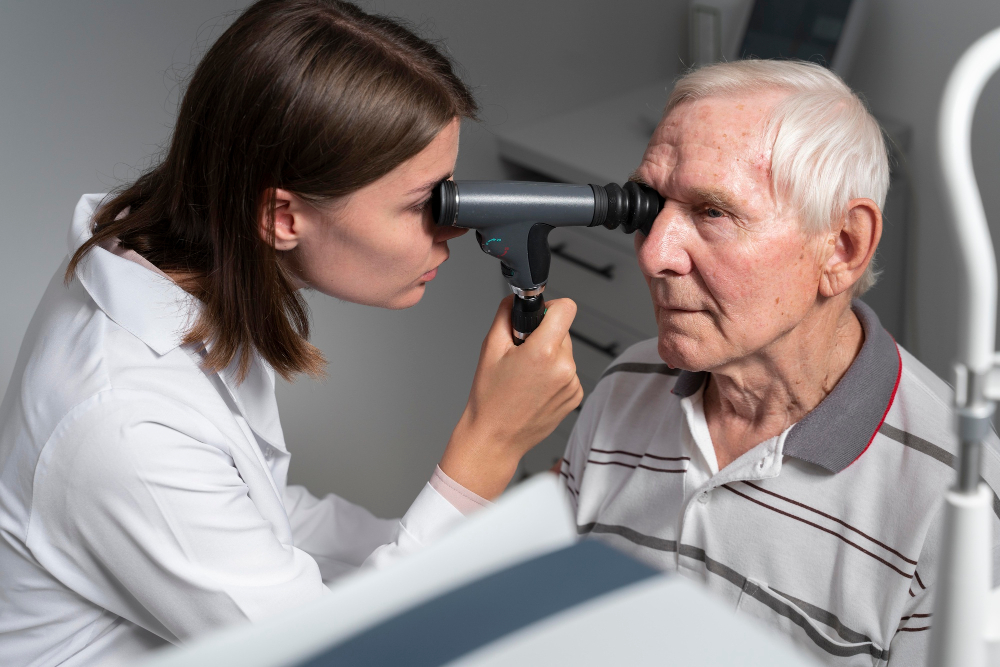
Cataracts are often identified during routine eye exams. Tests may include:
- Vision Test: Checks clarity at different distances.
- Pupil Dilation: Gives a wider view of the retina and lens.
- Eye Pressure Test: Screens for glaucoma.
- Biometry Test: Measures the lens power needed for replacement.
- Dry Eye Test: Helps rule out other vision issues.
Early Treatment Options
In mild cases, vision aids may help temporarily:
- Glasses or Contact Lenses for clearer focus.
- Anti-glare glasses to reduce halos and light sensitivity.
- Brighter lighting for reading and daily activities.
However, the only permanent solution is surgery, usually done as a painless day procedure.
Cataract Surgery Procedures
Surgery involves removing the cloudy lens and replacing it with an IOL. Main approaches include:
- Conventional Cataract Surgery: A larger cut is made to remove the lens, and stitches may be required. Recovery takes weeks, with more discomfort.
- Phacoemulsification (Micro-incision Surgery): A small incision is made; ultrasound breaks the lens into pieces that are suctioned out. Recovery is faster, and stitches are rarely needed.
- Laser Cataract Surgery (Robotic): Uses a femtosecond laser for precise incisions and lens fragmentation. It offers greater safety, accuracy, and quicker healing.
Steps in Surgery
- Capsulotomy: Opening created in the lens capsule.
- Lens Fragmentation: Cloudy lens broken into tiny sections.
- Phacoemulsification: Fragments removed through suction.
- IOL Implantation: A foldable lens is inserted to restore vision.
Risks and Complications
Though safe and effective, cataract surgery may occasionally cause:
- Temporary swelling or blurred vision
- Infection or inflammation
- Rare issues: cataract recurrence, scarring, or pressure changes
Proper aftercare and regular follow-ups minimize these risks.
Aftercare
Post-surgery recovery is smooth but requires care:
- Avoid rubbing or pressing the eye.
- Use prescribed eye drops—don’t substitute.
- Wear protective glasses outdoors.
- Minor discomfort is normal; report unusual pain, redness, or vision loss immediately.
- Avoid strenuous activity for a few days.
Cataract Prevention
Healthy lifestyle choices can delay onset:
- Eat fruits and leafy vegetables rich in Vitamin C, A, and antioxidants.
- Protect eyes with sunglasses.
- Control blood sugar and blood pressure.
- Quit smoking and reduce alcohol intake.
- Attend routine eye check-ups.
Cataract Lens Choices
Patients can choose from different IOLs:
- Monofocal: Clear vision at one distance; glasses may be needed for near work.
- Toric Lens: Corrects astigmatism for sharper vision.
- Multifocal: Reduces dependence on glasses by correcting near, intermediate, and distance vision.
- Extended Depth of Focus Lens: Provides a continuous range of clear vision.
- Robotic High-Precision Lenses: Placed using advanced robotic systems, ensuring sharper results.
Why Choose Savalia Eye Hospital Laser Center?
Recognized as one of the best cataract hospitals in Rajkot, Savalia Eye Hospital combines advanced technology with compassionate care. We offer:
- Expert surgeons using the latest techniques.
- Comprehensive facilities equipped for conventional, laser, and robotic cataract surgeries.
- Personalized treatment plans tailored to each patient’s needs.
- State-of-the-art diagnostic tools for precise planning and safe outcomes.
Advanced Technology: REVO FC & Ziemer FEMTO LDV Z8
REVO FC OCT: Provides detailed imaging with AI-powered clarity, eye tracking, and motion correction. It integrates with EMR systems for smooth workflow.
Ziemer FEMTO LDV Z8: A Swiss-made femtosecond laser offering ultra-precise incisions and lens fragmentation. Unlike other lasers, it works directly on the patient bed, making surgery faster, safer, and more comfortable.
MICS Cataract Surgery (Micro Incision Cataract Surgery)
MICS is a modern method using a 1.8–2.2 mm incision, causing less trauma and faster healing.
Benefits:
- Faster recovery with minimal discomfort
- Sharper vision with reduced glare
- No stitches required
- Lower risk of infection
- Suitable for all age groups
- Ideal for those with active lifestyles needing quick recovery
Who Should Consider MICS?
- People with worsening vision interfering with daily life
- Patients seeking quick recovery and minimal downtime
- Adults sensitive to glare or bright lights
- Seniors needing safer, less invasive options
- Individuals with health conditions requiring shorter surgeries
Before and After Surgery Guidelines
- Before: Stop blood-thinning medications as advised, avoid heavy meals, and don’t wear makeup.
- On the day: Arrive in comfortable clothes, eyes will be numbed, and surgery is painless.
- After: Attend follow-ups, use prescribed drops, avoid rubbing or swimming, and rest as directed.
Cataract treatment today is safe, precise, and highly effective. With timely diagnosis, advanced surgical options, and proper aftercare, patients can regain clear vision and enjoy a better quality of life. At Savalia Eye Hospital & Laser Center, widely regarded as the best cataract surgery hospital in Rajkot, our goal is to help you see the world brightly and confidently once again.